
Call for Papers: The University of Texas at Austin Announces the 2026 Bobby R. Inman Award for Student Scholarship on Intelligence

April 30, 2026

The Clements-Strauss Intelligence Studies Project (ISP) at The University of Texas at Austin announces the 12th annual competition recognizing outstanding student research and writing on topics related to intelligence and national security. The winner of the Inman Award will receive a cash prize of $5,000, with two semifinalists each receiving a cash prize of $2,500. This competition is open…

ISP Faculty in the Field: ISP Fellow Dr. Kiril Avramov Set to Publish Second Book, Receives Eyes of Texas Excellence Award 2026  

April 10, 2026

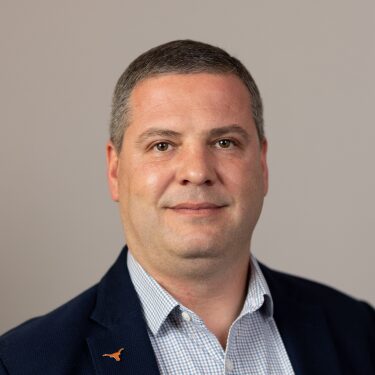
Next month, Dr. Kiril Avramov, Non-Resident Fellow at the Clements-Strauss Intelligence Studies Project (ISP) and Assistant Professor at the Center for Russian, East European, and Eurasian Studies, will publish his second book of the past year entitled, “Ladders of Escalation: Flexible Modeling in Comparative Cases of the State-Sponsored Targeted Killings,” with Springer Nature. His co-author, Adam…

ISP Tearline Student Teams Brief Texas Army National Guard  

April 7, 2026

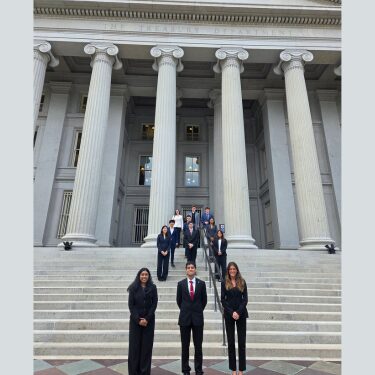
On Wednesday, April 1, 2026, students from two Tearline research teams briefed the General Officer Board meeting at the Texas Army National Guard. Brigadier General Monie Ulis, Deputy Adjutant General – Army at Camp Mabry, and his staff praised the students for their high-quality analysis and professional briefing abilities.   In recent years, the Clements-Strauss Intelligence Studies Project…

Intelligence Professionals Participated in National Security Forum

December 1, 2015

Last month, ISP, the Clements and Strauss Centers co-sponsored the second annual National Security Forum “Great Powers, Failed States, and New Frontiers: National Security Challenges of the 21st Century.”

McRaven Addresses National Security Forum

November 24, 2015

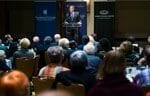
UT Chancellor Admiral William McRaven gave a keynote address as part of the Robert Strauss Center and Clements Center annual National Security Forum.

Slick Identifies Need for New Security Policies in Wake of Paris Attacks

November 21, 2015

During an interview with Fox 7 Austin, ISP Director Steve Slick outlined several ways in which the U.S. and the world need to reconsider their intelligence and security policies in responding to the threat of ISIS.

Chancellor McRaven Announces UT Network for National Security

November 9, 2015

In a landmark address on November 5, UT System Chancellor William McRaven provided a bold vision for the future growth of the system, including a set of “quantum leap” strategic initiatives.

Slick on Open Source Information as Tool of Intelligence

October 19, 2015

“The information benefits from increased open source reporting […] will outweigh the costs to the security of our own operational activities,” said Slick to FP. Read the full article HERE.

ISP Director Quoted on Open Source Intelligence in Foreign Policy

October 19, 2015

In his October 19 article for Foreign Policy, Elias Groll, sought the insight of ISP Director Steve Slick on the topic of open source intelligence. Troll’s article, titled When Selfies Are a Tool of Intelligence, tackles the value of open intelligence…

ISP Events

There are no upcoming events at this time. Please check back for updates!

kindpng_1440387

- Bobby R. Inman, former Director of the National Security Agency and Deputy Director of Central Intelligence

"There has been far too little focus in the academic world on the Intelligence Community and the critical role it plays in our country's national security. The Intelligence Studies Project will position the University of Texas at Austin to be a leading academic center on U.S. intelligence."

Subscribe

kindpng_1440387

- Robert M. Gates, former Secretary of Defense and Director of Central Intelligence

"The Intelligence Studies Project at UT Austin - anchored by the Inman Chair - will allow new generations of young people to learn from and about Admiral Inman, and to learn about intelligence: its many disciplines and dimensions, its structure, how it operates, its strengths and weaknesses, how it is used, and how it can be improved."