
ISP Tearline Team Provides Update on Chinese Infrastructure Projects in Papua New Guinea

July 16, 2026

ISP’s Tearline student research team recently published an open-source report examining the status of four critical People’s Republic of China (PRC) infrastructure projects in Papua New Guinea (PNG): The team assesses that PRC contractors are likely experiencing project setbacks and stagnation at ISEZ and Hoskins and Gurney Airports, extending their presence at strategic PNG locations amid…

ISP Faculty in the Field: Dr. Kiril Avramov to Publish Co-Edited Volume on Foreign Intelligence Services; Provides Expert Analysis to Chilean Newspaper  

July 15, 2026

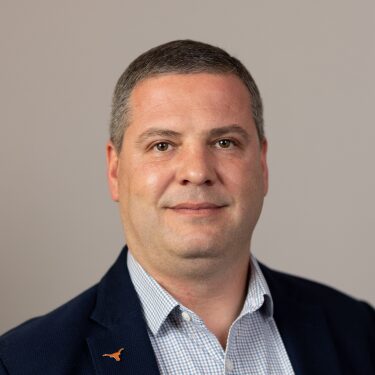
Dr. Kiril Avramov, Non-Resident Fellow at the Clements-Strauss Intelligence Studies Project (ISP) and Assistant Professor at the Center for Russian, East European, and Eurasian Studies, will publish a co-edited volume, Comparative Foreign Intelligence Services: Framing Policy and Threat Perception, with Routledge this fall. His co-editor, Dr. Bianca Adair, is a former CIA Operations Officer and former…

Texas Intelligence Academy – A New May-Term Offering

July 15, 2026

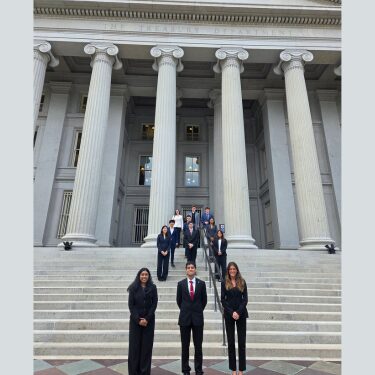
In May 2026, the Clements-Strauss Intelligence Studies Project offered the 7th Texas Intelligence Academy (TIA) in the nation’s capital as an official university May Term—an intensive, for-credit course. Students participated in lectures, simulations, briefing exercises, and discussions with current and former professionals on intelligence and national security—to include collection, analysis, covert action, intelligence oversight, cybersecurity, and intelligence support…

ISP Tearline Student Teams Brief Texas Army National Guard  

April 7, 2026

On Wednesday, April 1, 2026, students from two Tearline research teams briefed the General Officer Board meeting at the Texas Army National Guard. Brigadier General Monie Ulis, Deputy Adjutant General – Army at Camp Mabry, and his staff praised the students for their high-quality analysis and professional briefing abilities.   In recent years, the Clements-Strauss Intelligence Studies Project…

Intel Chief: Russia Tops China as Cyber Threat

August 28, 2015

The top U.S. spy sounded alarms about America’s lack of preparedness to combat a growing threat from cyberattacks and said that Russia poses a greater cyberspying threat than China. Read the full article HERE.

The White House has a policy problem, not an intelligence problem

August 28, 2015

The controversy du jour centers on President Obama’s recent 60 Minutes interview where, among other comments, he singled out DNI James Clapper for the intelligence failures that allegedly missed the Islamic State threat.

Inside NSA

August 28, 2015

Welcome to “Inside NSA: We Brought in a Recording Device So You Don’t Have To”—a special series of podcast interviews of senior NSA officials that we conducted last week. Listen to the podcast HERE.

Slick: Congress Should Resist the Temptation to Legislate on the CTIIC

August 25, 2015

When a conference committee convenes to reconcile differences in the House and Senate versions of the 2016 Intelligence Authorization Act, Members should resist the temptation to legislate on the proposed Cyber Threat Intelligence Integration Center (CTIIC). Read the full article…

ISP Events

There are no upcoming events at this time. Please check back for updates!

kindpng_1440387

- Bobby R. Inman, former Director of the National Security Agency and Deputy Director of Central Intelligence

"There has been far too little focus in the academic world on the Intelligence Community and the critical role it plays in our country's national security. The Intelligence Studies Project will position the University of Texas at Austin to be a leading academic center on U.S. intelligence."

Subscribe

kindpng_1440387

- Robert M. Gates, former Secretary of Defense and Director of Central Intelligence

"The Intelligence Studies Project at UT Austin - anchored by the Inman Chair - will allow new generations of young people to learn from and about Admiral Inman, and to learn about intelligence: its many disciplines and dimensions, its structure, how it operates, its strengths and weaknesses, how it is used, and how it can be improved."