
ISP Tearline Team Partners with UT’s Asia Policy Program to Report on Chinese Construction of Police Training Facilities in the Global South 

September 25, 2026

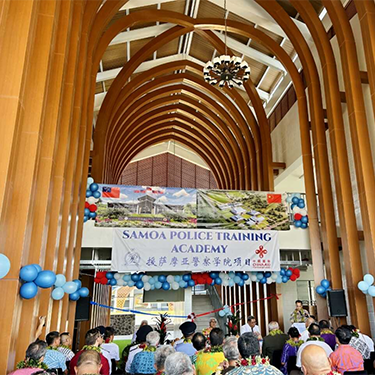
In partnership with UT Austin’s Asia Policy Program (APP), ISP’s Tearline team published a report on Chinese construction of police training infrastructure in at least four countries — Nepal, Costa Rica, Samoa, and Uzbekistan — over the past 12 years. Construction of a police training facility is usually part of a wider, latticed outreach effort…

ISP Tearline Team Provides Update on Chinese Infrastructure Projects in Papua New Guinea

July 16, 2026

ISP’s Tearline student research team recently published an open-source report examining the status of four critical People’s Republic of China (PRC) infrastructure projects in Papua New Guinea (PNG): The team assesses that PRC contractors are likely experiencing project setbacks and stagnation at ISEZ and Hoskins and Gurney Airports, extending their presence at strategic PNG locations amid…

ISP Faculty in the Field: Dr. Kiril Avramov to Publish Co-Edited Volume on Foreign Intelligence Services; Provides Expert Analysis to Chilean Newspaper  

July 15, 2026

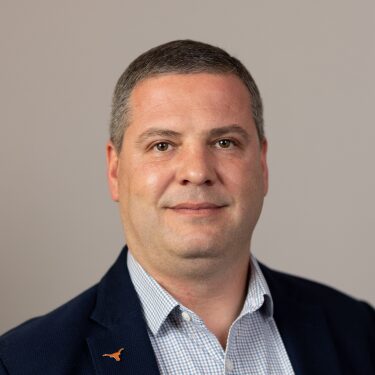
Dr. Kiril Avramov, Non-Resident Fellow at the Clements-Strauss Intelligence Studies Project (ISP) and Assistant Professor at the Center for Russian, East European, and Eurasian Studies, will publish a co-edited volume, Comparative Foreign Intelligence Services: Framing Policy and Threat Perception, with Routledge this fall. His co-editor, Dr. Bianca Adair, is a former CIA Operations Officer and former…

Texas Intelligence Academy – A New May-Term Offering

July 15, 2026

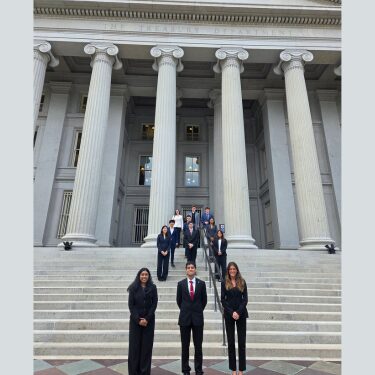
In May 2026, the Clements-Strauss Intelligence Studies Project offered the 7th Texas Intelligence Academy (TIA) in the nation’s capital as an official university May Term—an intensive, for-credit course. Students participated in lectures, simulations, briefing exercises, and discussions with current and former professionals on intelligence and national security—to include collection, analysis, covert action, intelligence oversight, cybersecurity, and intelligence support…

ISP Senior Fellow featured in Psychology Today

July 27, 2017

ISP Senior Fellow and LBJ School professor J. Paul Pope recently wrote an article featured in Psychology Today on the 70th anniversary of the National Security Act of 1947. 

ISP Director Slick Recently Quoted in The Atlantic

July 24, 2017

ISP Director Steve Slick was recently quoted in The Atlantic’s profile of the current Senior Director for Intelligence Programs on the National Security Council staff.


War on the Rocks Teams up with The University of Texas

July 6, 2017

Elephants in the Room: Summer 2017 Reading from Director Steve Slick and Dr. Will Inboden

July 5, 2017

ISP Director Steve Slick and Clements Center Director William Inboden were recently featured in a Foreign Policy piece with a few of their suggested books for summer reading. 

ISP Senior Fellow Paul Pope: National Security Takeaways from 1776

July 5, 2017

ISP Senior Fellow and LBJ Professor Paul Pope was featured in The Monitor over the Fourth of July holiday weekend.
ISP Director Steve Slick Quoted in the Washington Times

June 2, 2017

On Thursday, June 1, ISP Director Steve Slick was quoted on his interpretation of former CIA Director Brennan’s House Intelligence Committee testimony on Russian ties. 

ISP Events

kindpng_1440387

- Bobby R. Inman, former Director of the National Security Agency and Deputy Director of Central Intelligence

"There has been far too little focus in the academic world on the Intelligence Community and the critical role it plays in our country's national security. The Intelligence Studies Project will position the University of Texas at Austin to be a leading academic center on U.S. intelligence."

Subscribe

kindpng_1440387

- Robert M. Gates, former Secretary of Defense and Director of Central Intelligence

"The Intelligence Studies Project at UT Austin - anchored by the Inman Chair - will allow new generations of young people to learn from and about Admiral Inman, and to learn about intelligence: its many disciplines and dimensions, its structure, how it operates, its strengths and weaknesses, how it is used, and how it can be improved."